
Caring for an ageing family member requires extraordinary patience, physical stamina, and a compassionate heart. As your senior relatives age, managing their daily routines, mobility assistance, and health monitoring can quickly overwhelm a busy household. Engaging a dedicated caregiver offers a practical solution that allows your loved ones to age comfortably at home. Many families choose a Myanmar domestic helper because workers from Myanmar often display exceptional gentleness, strong respect for elders, and a quiet, dedicated work ethic. However, selecting the right caregiver involves looking beyond general domestic skills to evaluate specific eldercare capabilities. Assessing essential core competencies ensures you secure a reliable, competent caregiver who provides dignified care for your senior family members.
Mobility Assistance and Physical Safety: Protecting Vulnerable Seniors
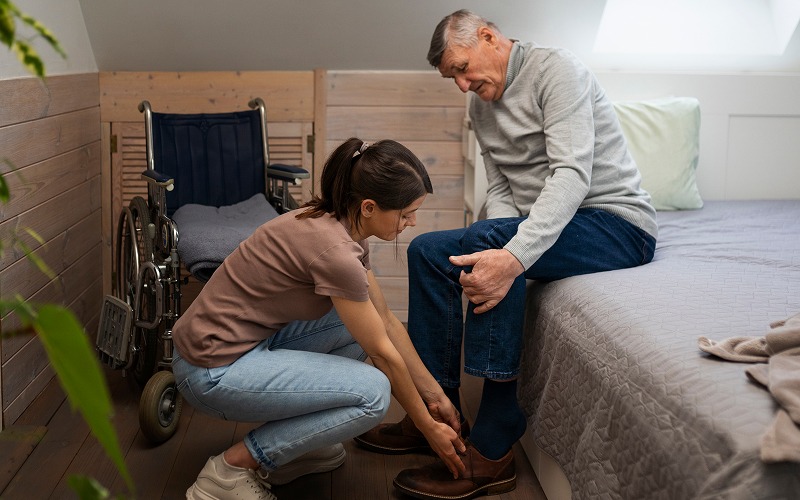
Seniors often experience muscle weakness, joint pain, or balance issues that increase their risk of dangerous falls at home. Safe mobility support requires proper physical techniques rather than simple brute force.
| Skill Area | Practical Capability | Care Impact for Seniors |
| Safe Transfers | Moving seniors between bed, wheelchair, and toilet using correct posture | Prevents accidental falls and avoids back injuries for both helper and senior |
| Gait Support | Guiding walks using walking frames or support belts | Encourages light physical activity while maintaining balance and stability |
| Repositioning | Turning bedridden seniors regularly to avoid pressure sores | Maintains skin integrity and prevents painful bedsores |
| Bathroom Safety | Assisting with shower transfers and managing non-slip surfaces | Minimises slip hazards during daily hygiene routines |
Evaluating these physical safety skills during the interview stage ensures your chosen helper from domestic helper services protects your elderly relative’s mobility and prevents accidental injuries at home.
Health Routine Management: Administering Medications and Monitoring Vitals
Ageing individuals frequently manage chronic health conditions that require strict adherence to medication schedules and daily health monitoring. A slight oversight in dosage or timing can lead to severe health complications.
When interviewing candidates, test their ability to follow written medical instructions carefully. Ask how they organise daily pill organisers, track dosage schedules, and record basic health metrics like blood pressure or blood glucose levels. Furthermore, verify whether a prospective Myanmar domestic helper can recognise early warning signs of physical distress, such as sudden dizziness, shortness of breath, or unusual lethargy. A vigilant caregiver who communicates health changes promptly helps you address potential medical issues before they escalate into emergencies.
Patience and Communication: Bridging Language and Temperament
Effective eldercare relies heavily on emotional warmth and patient communication. Seniors dealing with cognitive decline, hearing loss, or mobility frustration may express irritation or become withdrawn during daily routines.
While many candidates from Myanmar speak basic English upon arrival, their gentle disposition allows them to build strong emotional connections with seniors quickly. During the interview, present scenario-based questions to observe how the candidate responds to challenging situations, such as a senior refusing meals or medications. A calm, empathetic demeanour combined with a willingness to learn local phrases or dialects helps a Myanmar domestic helper build deep trust and mutual respect with your elderly relative over time.
Household Hygiene and Specialised Dietary Care: Nurturing Senior Health
Maintaining a clean, hygienic living space directly impacts a senior’s immune health and overall well-being. Elderly individuals require spotless living quarters to prevent respiratory infections and bacterial illnesses.
Assess whether the candidate understands dietary adjustments required for elderly nutrition. Seniors often need soft-texture meals, low-sodium recipes, or strict diabetic-friendly meal plans. Check whether the helper can prepare easily digestible soups, steamed dishes, and nutritious snacks tailored to your relative’s dietary restrictions. Ensuring your caregiver combines meticulous housecleaning with healthy meal preparation keeps your senior loved one energised and comfortable every day.
Securing Dignified Care for Your Loved Ones
Hiring the right caregiver requires assessing mobility techniques, health management capabilities, emotional patience, and dietary skills. By evaluating these essential competencies thoroughly, you secure a compassionate helper who enriches your senior relative’s daily life and gives your entire family complete peace of mind.
Frequently Asked Questions
Can a Myanmar domestic helper communicate effectively with English-speaking seniors?
Most helpers undergo basic English language training before placement. They adapt quickly through daily conversation and pick up key English and local phrases within their first few weeks in your household.
How do I assess if a helper has real experience in eldercare?
Ask specific, scenario-based questions during the interview regarding safe wheelchair transfers, medication management, and how she handles an agitated or unwell senior.
Is specialised medical training required for a helper caring for a bedridden senior?
While formal nursing qualifications aren’t strictly required for non-medical care, choosing a helper with certified eldercare training modules helps ensure she can safely handle bed transfers, hygiene, and skin care.
Provide your senior loved ones with the patient, dignified care they deserve. Contact JForce Employment Service today to connect with vetted, reliable helpers tailored to your eldercare needs!
More Stories
Most Wardrobe Shopping Starts With the Wrong Measurement
How to Fix Backlink Indexing Issues for Real Estate and Home Businesses
Practical Shelf Lighting Layouts for Kitchens, Libraries and Display Furniture