
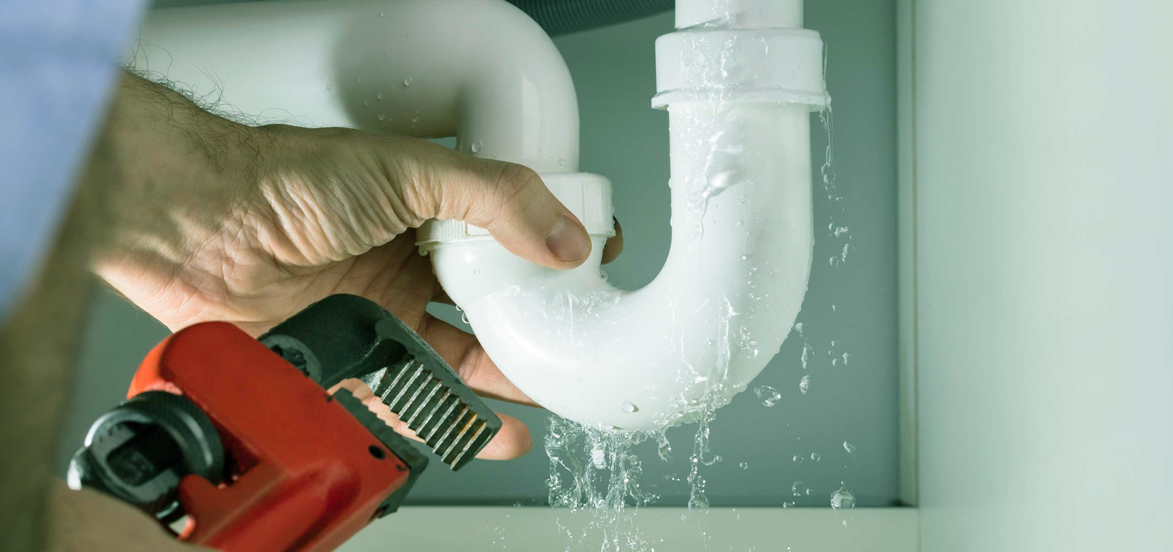
Discovering a water leak in your home can be a major hurdle. Whether it’s a burst pipe, a sudden gush of water from your ceiling, or a rapidly spreading puddle on your floor, knowing how to respond quickly can mean the difference between minor damage and a catastrophic disaster. This comprehensive blog will take you through the essential steps for emergency water leak detection and immediate action to protect your Rockingham home.
Understanding how to detect water leaks early and respond appropriately can save you thousands of dollars in repairs, prevent extensive property damage, and provide peace of mind during what can otherwise be a stressful situation. Let’s explore exactly what you need to do when you discover a leak in your home.
Step 1: Stay Calm and Assess the Situation
When you first discover a water leak, your immediate reaction might be panic. However, staying calm is crucial for making clear-headed decisions. Is water actively flowing or is it a slow drip? Can you see the source of the leak, or is it coming from behind a wall or ceiling?
Understanding the scope of the emergency will help you determine your next steps. A minor drip from under a sink is far less urgent than water pouring through your ceiling or a burst pipe flooding your home. Regardless of the severity, swift action is essential for effective plumbing leak detection and damage control.
Step 2: Shut Off the Water Supply Immediately
The most critical step in any water leak emergency is stopping the flow of water. Every homeowner should know where their main water shut-off valve is located before an emergency occurs. Typically, you’ll find this valve where the water main enters your property, often in the front yard near the street, in a meter box, or inside near the hot water system.
For localised leaks, you may be able to shut off water to just the affected area. Turning off these localised valves can stop the leak while maintaining water supply to the rest of your home. However, if you cannot quickly locate the source or the leak is severe, don’t hesitate to turn off the main water supply.
After shutting off the water, open taps to drain remaining water from the pipes and relieve pressure in the system. This simple step can prevent additional water from escaping and reduce the risk of further damage.
Step 3: Turn Off Electricity in Affected Areas
Water and electricity are a dangerous combination. If water is leaking near electrical outlets, appliances, lighting fixtures, or your switchboard, you must prioritise safety. If you can safely reach your switchboard without walking through water, turn off electricity to the affected areas. If water has reached your switchboard or you need to wade through water to reach it, do not attempt this yourself.
Never touch electrical appliances or outlets with wet hands or whilst standing in water. If you’re unsure about electrical safety, evacuate the area and call a licensed electrician immediately. Your safety and that of your family is paramount during any emergency involving water leak detection.
Step 4: Contain the Water and Protect Your Property
Once you’ve stopped the water flow and addressed electrical safety, focus on minimising damage to your property. Move furniture, electronics, important documents, and valuable items away from the affected area. If water is dripping from the ceiling, place buckets or containers underneath to catch the water and prevent it from spreading.
Use towels, mops, and buckets to soak up standing water as quickly as possible. The longer water sits on floors, carpets, and furnishings, the more damage it causes. Consider using a wet-dry vacuum if you have one available, as this can remove water far more efficiently than towels alone.
Step 5: Document Everything for Insurance
Before you begin cleaning up, thoroughly document the damage for your insurance claim. Take clear photos and videos of the leak source, all affected areas, damaged belongings, and water levels. Capture images from multiple angles and include close-ups of specific damage.
Make a detailed list of all damaged items, including approximate values and purchase dates where possible. Keep all receipts for emergency repairs, cleaning supplies, and temporary accommodation if needed. This documentation will be invaluable when filing your insurance claim and ensuring you receive appropriate compensation.
Step 6: Contact Emergency Plumbing Services
Even if you’ve managed to stop the immediate water flow, professional plumbing leak detection and repair is essential. Water leaks rarely fix themselves, and what seems like a temporary solution may fail when you restore water pressure. Contact a licensed emergency plumber as soon as possible, ideally whilst you’re still containing the initial damage.
When calling for emergency water leak detection in Rockingham, provide clear information about the situation. Describe the location and severity of the leak, what actions you’ve already taken, and whether water is still flowing. This helps the plumber arrive prepared with the right tools and materials.
Emergency plumbing services understand the urgency of water leaks and typically offer rapid response times, often within an hour or two. Don’t attempt complex plumbing repairs yourself during an emergency, as improper fixes can worsen the problem and potentially void your insurance coverage.
Step 7: Identify the Leak Source if Possible
Whilst waiting for professional help, try to identify the source of the leak if you haven’t already. Common emergency leak sources include burst pipes from freezing or corrosion, failed hot water system components, broken washing machine or dishwasher hoses, damaged toilet cisterns, and failed pipe connections. Professional water leak detection services have specialised equipment like thermal imaging cameras and acoustic sensors that can safely locate hidden leaks.
Step 8: Begin Drying and Dehumidifying
Once the immediate emergency is under control, begin the drying process as soon as possible to prevent mould growth. Open windows and doors to improve ventilation and air circulation. Use fans to direct air across wet surfaces and speed up evaporation.
If you have dehumidifiers, run them continuously in affected areas. Humidity levels above 60% encourage mould growth, which can begin within 24-48 hours of water exposure. Remove wet carpets, rugs, and soft furnishings from the area and dry them separately, preferably outdoors in sunlight if weather permits.
Conclusion
Water leaks are among the most common and potentially devastating emergencies homeowners face. However, knowing how to detect water leaks and respond appropriately transforms a potential disaster into a manageable situation.
By following these steps, you can significantly minimise the impact of any leak emergency.
Remember that professional water leak detection and repair services are always your best option during emergencies.



More Stories
Practical Shelf Lighting Layouts for Kitchens, Libraries and Display Furniture
Why Ipe Hardwood Siding Is a Smart Choice for Premium Exterior Design
The Engineer’s Guide to Specifying Chemical Processing Equipment for Highly Corrosive Environments